

Overview of the oil and gas industry in Nigeria
Nigeria’s oil and gas industry has played a pivotal role in shaping the nation’s economic landscape. As one of the largest producers of crude oil in Africa, the country’s vast reserves have attracted significant investment and attention from major international players. The oil and gas sector has been a driving force behind Nigeria’s economic growth, contributing substantially to the nation’s GDP and serving as a vital source of revenue.
The exploration and production of hydrocarbons in Nigeria date back to the late 1950s, when the first commercial oil discovery was made in the Niger Delta region. Since then, the industry has experienced remarkable growth, with numerous oil and gas fields being discovered and developed across the country. Around 37 billion barrels of proven oil and about 200 trillion cubic feet of natural gas are estimated to be in Nigeria’s reserves.
Importance of the oil and gas sector to Nigeria’s economy
The oil and gas sector provides a substantial amount of income for the Nigerian government and export profits, making it an essential sector of the economy. About 90% of the country’s foreign currency revenues come from this industry, and it also accounts for about 10% of the GDP. Furthermore, thousands of Nigerians find work in the sector through direct and indirect employment in ancillary and support services.
The revenue generated from the oil and gas sector has played a crucial role in funding infrastructure development, social programs, and other government initiatives aimed at improving the lives of Nigerians. However, the overreliance on this sector has also highlighted the need for economic diversification to ensure long-term sustainable growth and mitigate the impact of fluctuations in global oil prices.
Top oil and gas companies in Nigeria
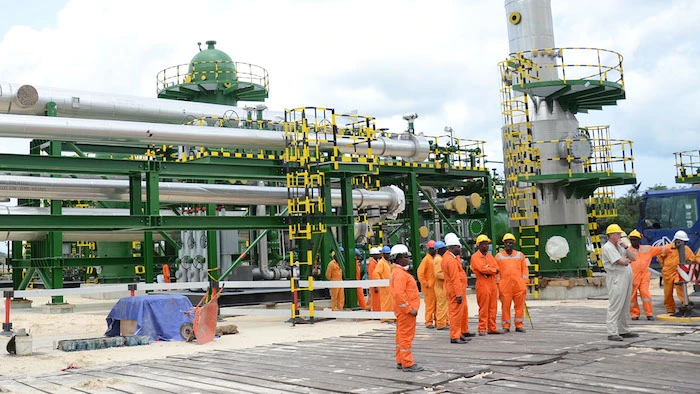
Nigeria’s oil and gas industry is dominated by a mix of state-owned enterprises, international oil companies, and indigenous players. These companies operate across various segments of the industry, including exploration, production, refining, and distribution.
Nigerian National Petroleum Corporation (NNPC) – the leading petroleum company
Countrywide control over Nigeria’s substantial hydrocarbon reserves rests with the state-owned oil company, the Nigerian National Petroleum Corporation (NNPC). The Nigerian National Petroleum Corporation (NNPC) has been in operation since 1977 and is responsible for regulating the country’s petroleum industry.
NNPC operates through several subsidiaries and joint venture partnerships with international oil companies. Some of its key subsidiaries include:
- Nigerian Petroleum Development Company (NPDC)
- Integrated Data Services Limited (IDSL)
- Nigerian Gas Company (NGC)
- Nigerian Pipelines and Storage Company (NPSC)
Through its upstream and downstream operations, NNPC aims to maximize the value derived from Nigeria’s hydrocarbon resources while promoting sustainable development and environmental protection.
International oil companies operating in Nigeria
Nigeria’s oil and gas industry has attracted numerous international oil companies (IOCs) due to its vast hydrocarbon reserves and attractive investment opportunities. These companies have formed joint venture partnerships with NNPC and have played a significant role in the exploration, production, and development of Nigeria’s oil and gas resources.
Some of the major international oil companies operating in Nigeria include:
- Shell Petroleum Development Company (SPDC): A subsidiary of Royal Dutch Shell, SPDC is one of the largest oil and gas producers in Nigeria. The company has a long-standing presence in the country and operates several onshore and offshore fields.
- ExxonMobil: Deepwater exploration and production are ExxonMobil’s primary areas of expertise in Nigeria’s oil and gas business. The Oso field is one of the biggest offshore fields in the nation, and the corporation has a substantial presence there.
- Chevron Nigeria Limited (CNL): Chevron has been operating in Nigeria for over five decades and is involved in various upstream and downstream activities. The company’s operations are concentrated in the Niger Delta region, where it operates several oil and gas fields.
- Total Exploration and Production Nigeria Limited: The French multinational energy corporation Total has substantial holdings in the oil and gas industry in Nigeria. The business conducts its exploration and production operations both on land and at sea.
- Eni: The Italian energy company Eni has a significant presence in Nigeria, with operations spanning exploration, production, and gas monetization. The company is actively involved in the development of the Zabazaba and Sambia fields.
Indigenous oil and gas companies in Nigeria
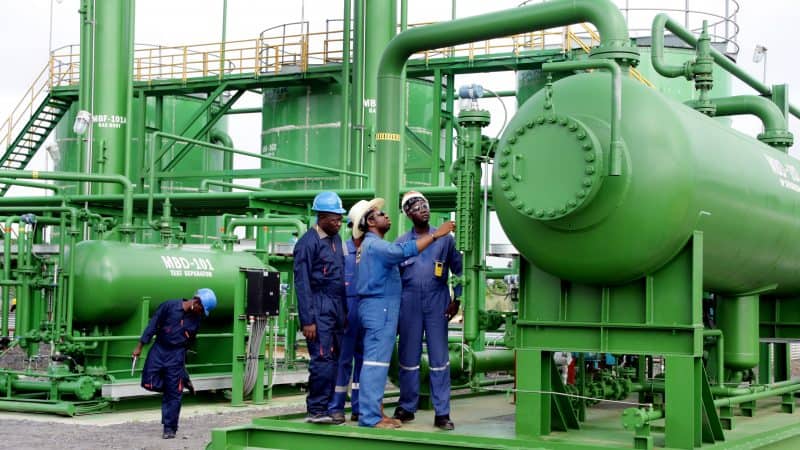
In addition to international players, Nigeria has a thriving indigenous oil and gas industry, with several local companies making significant contributions to the sector. These companies have leveraged their expertise and knowledge of the local environment to carve out a niche for themselves in the industry.
Some of the prominent Indigenous oil and gas companies in Nigeria include:
- Seplat Petroleum Development Company Plc: Seplat is a leading indigenous oil and gas company with a strong focus on the exploration and production of hydrocarbons in Nigeria. The company has a diverse portfolio of assets, including both onshore and offshore fields.
- Aiteo Eastern Exploration and Production Company Limited: Aiteo is a major player in the Nigerian oil and gas industry, with a focus on exploration, production, and trading activities. The company has a significant presence in the Niger Delta region and operates several oil and gas fields.
- Oando Plc: In the oil and gas industry’s upstream, midstream, and downstream segments, Oando operates as a diversified energy firm. The firm is heavily engaged in exploration, production, and marketing in Nigeria.
- Shoreline Natural Resources Limited: Shoreline is an indigenous oil and gas company focused on exploration and production activities in Nigeria. The company has a diverse portfolio of assets, including onshore and offshore fields.
- Brittania-U Nigeria Limited: Brittania-U is an indigenous oil and gas company with a strong presence in the Niger Delta region. The company is involved in various upstream activities, including exploration, production, and field development.
Challenges faced by Petroleum Companies in Nigeria
While the oil and gas industry in Nigeria presents significant opportunities, companies operating in this sector face several challenges that can impact their operations and profitability.
- Security concerns: The Niger Delta region, which is the hub of Nigeria’s oil and gas activities, has been plagued by security issues, including militancy, pipeline vandalism, and oil theft. These challenges have resulted in disruptions to operations, increased costs, and safety concerns for personnel.
- Regulatory and policy uncertainties: The Nigerian oil and gas industry is subject to various regulations and policies, which can often be complex and subject to frequent changes. This regulatory uncertainty can create challenges for companies in terms of compliance, investment decisions, and long-term planning.
- Infrastructure deficiencies: Nigeria’s infrastructure, particularly in the areas of transportation, power supply, and pipeline networks, has been a longstanding challenge for the oil and gas industry. Inadequate infrastructure can hinder efficient operations and increase operational costs.
- Environmental concerns: Many people, especially in the Niger Delta area, are upset about the environmental damage that the oil and gas sector has caused. Businesses need to promote sustainable practices, comply with environmental rules, and deal with problems like oil spills, gas flaring, and land deterioration.
- Community relations: Maintaining positive relationships with local communities is crucial for oil and gas companies operating in Nigeria. Addressing concerns related to environmental impact, employment opportunities, and community development can be challenging but is essential for ensuring smooth operations.

Future prospects and opportunities in the Nigerian oil and gas industry
Despite the challenges, the Nigerian oil and gas industry holds significant potential for future growth and development. Several factors contribute to this optimistic outlook:
- Untapped reserves: Nigeria is believed to have significant untapped oil and gas reserves, particularly in deepwater and frontier areas. Exploration and development of these resources present opportunities for companies willing to invest in cutting-edge technologies and innovative approaches.
- Gas monetization: Nigeria has vast natural gas reserves, and there is a growing focus on monetizing these resources through various projects, including liquefied natural gas (LNG) plants, gas-to-power initiatives, and gas-based industries. This presents opportunities for companies involved in gas exploration, production, and processing.
- Refinery upgrades and new projects: Nigeria’s refining capacity has been limited, leading to a heavy reliance on imported petroleum products. The government has prioritized the upgrade of existing refineries and the construction of new ones, creating opportunities for companies specializing in refinery construction and operations.
- Renewable energy integration: As global efforts towards energy transition intensify, there is an increasing focus on integrating renewable energy sources into the energy mix. Companies with expertise in renewable energy technologies, such as solar and wind, may find opportunities in Nigeria’s energy sector.
- Local content development: The government of Nigeria has instituted local content rules to foster the growth of indigenous businesses and increase their involvement in the country’s oil and gas sector. International and local businesses can work together to strengthen capacities, transfer technologies, and form partnerships as a result of this.
Government regulations and policies impacting the oil and gas sector
The Nigerian government has implemented various regulations and policies to govern the oil and gas industry and promote sustainable development. Some of the key regulations and policies include:
- Petroleum Industry Act (PIA): The Petroleum Industry Act, enacted in 2021, is a comprehensive legislation aimed at overhauling the Nigerian oil and gas industry. It addresses issues such as governance, fiscal terms, environmental protection, and local content development.
- Nigerian Content Development and Monitoring Board (NCDMB): The NCDMB was established to promote the participation of Nigerian companies in the oil and gas industry and develop local capabilities through training, capacity building, and technology transfer.
- Environmental regulations: Oil and gas operations in Nigeria have been subject to a number of environmental rules aimed at reducing such impacts. These rules address topics such as conducting EIAs, preventing gas flaring, and preventing oil spills.
- Fiscal policies: The government has implemented various fiscal policies, including taxes, royalties, and production-sharing contracts, to ensure that the country benefits from its hydrocarbon resources while maintaining an attractive investment environment for companies.
- Local content policies: According to the government’s local content regulations and the NCDMB, oil and gas businesses are compelled to prioritize utilizing Nigerian goods, services, and personnel in their operations.
Conclusion: The role of oil and gas companies in Nigeria’s development
Both now and in the future, Nigeria’s oil and gas industry will be a major factor in the country’s economic growth and development. However, the industry faces several challenges that must be addressed to ensure sustainable growth and maximize the benefits for the country and its people.
Oil and gas companies operating in Nigeria have a responsibility to prioritize environmental protection, community engagement, and local content development. By adopting sustainable practices, investing in innovative technologies, and fostering partnerships with local stakeholders, these companies can contribute to Nigeria’s long-term economic diversification and sustainable development.
Furthermore, the Nigerian government has a crucial role to play in creating an enabling environment for the oil and gas industry through consistent and transparent policies, infrastructure development, and capacity-building initiatives. By striking the right balance between attracting investment and promoting local participation, Nigeria can leverage its hydrocarbon resources to drive economic growth, create employment opportunities, and improve the overall standard of living for its citizens.
Enroll in different oil and gas training courses from Petro Partners, a leading training provider in the oil and gas industry with locations in top cities around the world. These courses will equip you with the knowledge and skills needed to excel in this dynamic industry, whether you’re a professional seeking career advancement or an aspiring newcomer. Follow Petroleum Trading & Training Partners on Facebook, Instagram and LinkedIn for the latest updates.
FAQs
What is the contribution of the oil and gas industry to Nigeria’s GDP?
The oil and gas industry contributes approximately 10% to Nigeria’s GDP and generates over 90% of the country’s foreign exchange earnings.
Which is the leading state-owned oil company in Nigeria?
The Nigerian National Petroleum Corporation (NNPC) is the country’s preeminent state-owned oil business. It manages Nigeria’s hydrocarbon resources.
What are some of the major international oil companies operating in Nigeria?
Shell Petroleum Development Company (SPDC), ExxonMobil, Total Exploration and Production Nigeria Limited (CNL), Eni, and Chevron Nigeria Limited (CNL) are among the major international oil firms that operate in Nigeria.
What are some of the prominent indigenous oil and gas companies in Nigeria?
Prominent indigenous oil and gas companies in Nigeria include Seplat Petroleum Development Company Plc, Aiteo Eastern Exploration and Production Company Limited, Oando Plc, Shoreline Natural Resources Limited, and Brittania-U Nigeria Limited.
What are some of the challenges faced by oil and gas companies in Nigeria?
Oil and gas companies in Nigeria face challenges such as security concerns, regulatory and policy uncertainties, infrastructure deficiencies, environmental concerns, and maintaining positive community relations.
What are the future prospects and opportunities in the Nigerian oil and gas industry?
Future prospects and opportunities include the exploration and development of untapped reserves, gas monetization projects, refinery upgrades and new projects, renewable energy integration, and local content development.
What are some of the key government regulations and policies impacting the oil and gas sector in Nigeria?
Environmental rules, fiscal policies, the Petroleum Industry Act (PIA), the Nigerian Content Development and Monitoring Board (NCDMB), and local content policies are all important pieces of legislation and policy.
What is the role of oil and gas companies in Nigeria’s development?
By engaging in ethical practices, fostering community participation, and developing local content, oil and gas businesses significantly contribute to Nigeria’s economic growth, generate employment opportunities, and promote sustainable development.
3 responses to “Top Oil and Gas Companies in Nigeria”
-
Hello I’m looking for work I have a tread test and electrician engineer from south africa red seem
-
Send me you CV
-
-
Hello,
If you are into crude oil and gas business and you are looking for buyers or sellers
to buy or sell your crude oil products, there are so many company platform this days
like https://www.virtacome.com that can enable you to connect with so many crude oil products
international buyers and sellers worldwide.
This company platform is where so many crude oil products dealers from different part
of the world connect with each other to buy the crude oil products they want to buy or sell
the crude oil products they want to sell.
I use this company platform to connect with different crude oil dealers from different
countries in the world.
You can visit and register with the company website here https://www.virtacome.com to connect
you with different crude oil dealers in the world to enable you to sell your crude oil
products or buy your crude oil products with each other.


Leave a Reply