

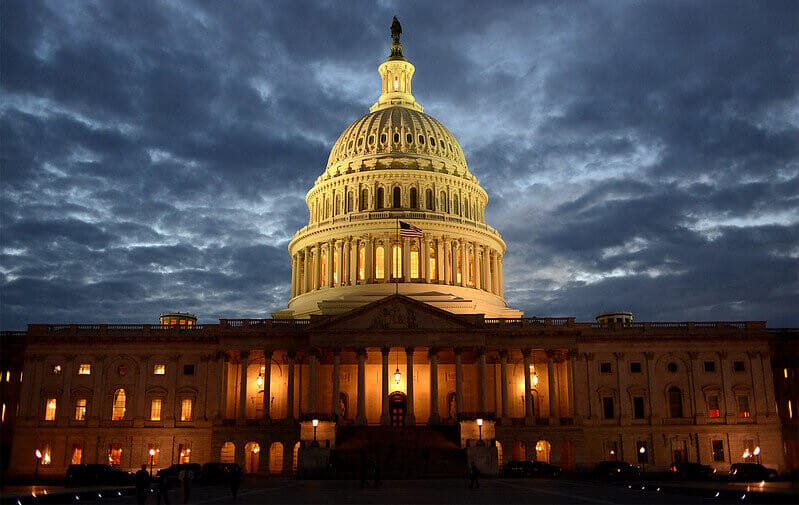
Introduction to federal budget government shutdown
The federal budget is the bedrock of any nation’s governance, functioning as a meticulous and comprehensive financial blueprint that meticulously outlines the government’s revenue and expenditure for a given fiscal year. However, when these crucial budgetary negotiations encounter insurmountable obstacles, a government shutdown can precipitate a problematic scenario, which has profound ramifications for the nation.
In this in-depth exploration, we will delve deep into the intricate workings of the federal budget government shutdown, shedding a spotlight on its critical importance and the intricacies of its shutdowns. Furthermore, we will illuminate the root causes and far-reaching consequences of these shutdowns while also providing invaluable insights into potential solutions that can be deployed to avert such disruptive and detrimental events. This examination will be paramount in understanding the interplay between the Federal Budget and Government shutdown and the need to address issues that could jeopardize the nation’s stability.
Understanding the Federal Budget
Before we dive into the consequences of federal budget government shutdowns, let’s establish a solid understanding of the federal budget, how it functions, and the various components that make it up.
1. The Basics of the Federal Budget
The federal budget government shutdown is a complex financial document that outlines the government’s fiscal plan for a specific year. In the United States, the federal fiscal year starts on October 1st and ends on September 30th of the following year. This budget is divided into several critical categories, with the two primary components being discretionary and mandatory spending.
- Discretionary Spending: This portion of the budget includes funding for government agencies and programs requiring Congress’s annual approval. Examples of discretionary spending areas encompass national defence, education, transportation, and healthcare.
- Mandatory Spending: On the other hand, Mandatory spending comprises entitlement programs that automatically provide benefits to eligible individuals or entities. Prominent examples of such programs are Social Security, Medicare, and Medicaid.

2. The Budget Process
The federal budget process is an intricate sequence of events to ensure the seamless operation of government agencies and programs. It involves several key steps:
- Formulation: Government agencies and the White House Office of Management and Budget (OMB) develop budget proposals for the upcoming fiscal year.
- Congressional Approval: Both the House of Representatives and the Senate must pass budget resolutions and appropriations bills to authorize spending. These bills require approval by the President to become law.
- Execution: After the President signs the budget bills into law, government agencies commence implementing their programs and services using the allocated funds.

Causes of Government Shutdowns
Government shutdowns tied to the Federal Budget and Government can be triggered by a multitude of factors, each with its own distinct implications. These causes include:
1. Budget Deadlocks and Stalemates:
- The Federal Budget’s passage requires approval by both the legislative and executive branches of government. When these entities fail to reach a consensus due to differences in spending priorities or policy decisions, it can lead to a budget deadlock. This, in turn, can result in a government shutdown as funding gaps emerge.
2. Political Partisanship:
- Partisan divisions within Congress and between political parties can significantly hinder budget negotiations. When ideological differences prevent compromise, the risk of a government shutdown escalates, putting critical government functions in jeopardy.
3. Debt Ceiling Debates:
- Government shutdowns may occur when debates over the federal debt ceiling intensify. Failure to raise the debt ceiling can disrupt the government’s ability to meet financial obligations and prompt a shutdown.
4. Continuing Resolutions and Short-Term Funding:
- In cases where a complete budget agreement is elusive, Congress may pass continuing resolutions or short-term funding measures to keep the government operational. However, overreliance on such temporary measures can still lead to funding gaps and government shutdowns.
5. Policy Riders and Contentious Provisions:
- Controversial policy riders, often attached to budget bills, can stall negotiations. These riders span many issues, from healthcare and immigration to less prominent matters, and can impede the budget’s progress.
6. External Events and Emergencies:
- Government shutdowns can be triggered by unforeseen external factors, such as natural disasters or emergencies, which strain the budget’s resources and necessitate additional funding.
7. Fiscal Deadlines and Timing:
- The timing of budget negotiations concerning other critical legislative deadlines can add pressure. Simultaneous deadlines may increase government shutdown risk if agreements are not reached promptly.
8. Political Strategies and Brinkmanship:
- Some politicians employ the threat of a government shutdown as a strategic tool to advance their policy goals or gain concessions from opponents. This “brinkmanship” approach raises the risk of a shutdown as a negotiating tactic.
Understanding these multifaceted causes is essential for policymakers and citizens alike to appreciate the intricate interplay between the Federal Budget and Government Shutdowns. Addressing these issues is imperative to mitigate government shutdowns’ disruptive and far-reaching consequences.
The Threat of a Government Shutdown
While the federal budget government shutdown process is designed to keep the government functioning smoothly, political disputes and financial constraints can lead to a government shutdown.
1. What Is a Government Shutdown?
A government shutdown transpires when Congress fails to pass the necessary funding legislation, rendering government agencies without the funds to operate. Consequently, many federal employees are furloughed, placing them on unpaid leave, and non-essential government services are temporarily halted.
Implications of a Government Shutdown
A federal budget government shutdown carries severe implications, affecting various aspects of society, the economy, and citizens’ daily lives.
1. Economic Impact
- Financial Uncertainty: Shutdowns can breed economic uncertainty, impacting financial markets and consumer confidence.
- Delayed Payments: Government employees, contractors, and vendors may face payment delays, affecting their financial stability.
- Economic Growth: Shutdowns can stunt economic growth, as government spending is a significant driver of economic activity.
2. Government Services
- Furloughed Workers: Federal employees, including those in critical roles such as law enforcement and healthcare, may face layoffs, disrupting crucial services.
- National Parks and Museums: Public spaces like national parks and museums may close during a shutdown, impacting tourism and local economies.
3. Public Health and Safety
- Food Safety Inspections: Regulatory agencies like the FDA and USDA may reduce or halt food safety inspections, potentially jeopardizing public health.
- Emergency Services: Agencies responsible for emergency response, such as FEMA, may be affected, impacting their ability to respond to disasters.
4. Immigration and Border Security
- Border Control: Immigration enforcement and border security operations may be compromised during a shutdown, potentially affecting national security.
- Immigration Courts: Immigration courts may experience delays, affecting individuals awaiting hearings or deportation.
Preventing and Resolving Government Shutdowns
Given the dire consequences of federal budget government shutdowns, it is imperative to explore comprehensive strategies for preventing and effectively resolving these disruptive events, where the interplay between the Federal Budget and Government Shutdowns comes into sharp focus.
- Bipartisan Cooperation for Fiscal Harmony Enhancing bipartisan cooperation in Congress is paramount to passing budgets and avoiding gridlock. Encouraging lawmakers to find common ground on fiscal matters can significantly reduce the likelihood of a government shutdown, demonstrating the critical importance of bipartisan collaboration in the realm of the Federal Budget and Government Shutdowns.
- Transitioning to Multi-Year Budget Agreements for Stability Transitioning to multi-year budget agreements can provide stability by reducing the need for frequent budget negotiations. This forward-looking approach not only allows for long-term planning but also minimizes the risk of shutdowns stemming from recurrent budgetary disputes, making it a pivotal aspect of Federal Budget and Government Shutdowns mitigation.
- Automatic Continuing Resolutions to Safeguard Essential Services Implementing automatic continuing resolutions, which maintain funding at current levels in the absence of a budget, serves as a safeguard against disruptions. By ensuring the continuous operation of essential government services while lawmakers diligently work to reach a consensus, this measure bolsters the resilience of the Federal Budget and Government Shutdowns defense.
- Debt Ceiling Reform for Financial Stability Addressing the debt ceiling issue separately from budget negotiations is a critical reform that can prevent shutdowns originating from disagreements over the nation’s borrowing limit. This reform is instrumental in ensuring that the government can consistently meet its financial obligations, even during periods of political discord, a crucial facet of the Federal Budget and Government Shutdowns prevention strategy.
- Regularized Budgetary Assessments and Forecasting Instituting a system of regularized budgetary assessments and forecasting can enhance fiscal responsibility. By continually monitoring revenue and expenditure trends, the government can proactively address potential budget shortfalls, reducing the risk of sudden funding gaps and associated shutdowns in the Federal Budget and Government Shutdowns landscape.
- Public Awareness and AccountabilityPromoting public awareness of the consequences of government shutdowns can exert pressure on lawmakers to find timely solutions. Citizens’ engagement and holding elected officials accountable for budgetary decisions are instrumental in creating a climate where shutdowns are less likely in the context of Federal Budget and Government Shutdowns.
- Disaster and Emergency Preparedness Funding Allocating dedicated funding for disaster and emergency preparedness can mitigate the impact of unforeseen events on the budget. By ring-fencing resources for such contingencies, the government can reduce the risk of budgetary strain leading to shutdowns in the Federal Budget and Government Shutdowns narrative.
- Independent Budgetary Oversight Establishing an independent body for budgetary oversight can provide an impartial evaluation of budget proposals. This can help prevent the politicization of budget negotiations, ultimately reducing the likelihood of government shutdowns within the sphere of Federal Budget and Government Shutdowns management.
A multi-pronged approach is necessary to effectively prevent and resolve government shutdowns. These strategies, focusing on the Federal Budget and Government shutdown dynamics, encompass fiscal cooperation, long-term planning, financial safeguards, debt ceiling reform, regularized assessments, public engagement, disaster funding, and impartial oversight. Addressing these aspects collectively is vital to ensure the stability and functionality of the federal government, mitigating the risks associated with government shutdowns.
About Our Courses & Trainings:
Petroleum Training Partners is a distinguished institution dedicated to imparting knowledge in the oil and gas domain, offering a diverse array of specialized courses. As a premier training organization, Petroleum Training Partners has solidified its reputation as an obvious entity providing comprehensive oil and gas courses, consultancy services, and seminars.
Operating across diverse continents such as Europe, Africa, and North America, with a particular emphasis on the Middle East, Petroleum Training Partners has emerged as a beacon of expertise in the energy sector.
At the heart of Petroleum Training Partners lies an unwavering commitment to delivering top-tier oil and gas courses. From carefully crafted project management courses to insightful IT and computer science courses, the organization remains firm in ensuring that individuals and businesses are equipped with the knowledge and skills essential for navigating the dynamic landscape of petroleum.
Additionally, the curriculum includes specialized courses in human resources and healthcare management, reflecting the organization’s dedication to addressing the multifaceted needs of the industry.
The expertise offered by Petroleum Training Partners extends across geographical boundaries, catering to the unique demands of professionals and enterprises in Europe, Africa, and North America, emphasising industry-relevant courses. Central to Petroleum Training Partners’ strategic focus is the Middle East, where the demand for specialized oil and gas training is particularly pronounced.
The organization takes immense pride in its pivotal role in shaping the expertise of industry professionals in the Middle East through tailored courses designed to address the challenges and opportunities presented by the dynamic Middle Eastern petroleum landscape.
Petroleum Training Partners is not merely a training provider but a cultivator of a community of learners and experts contributing to the ongoing evolution of the oil and gas sector. The seminars hosted by the organization serve as forums where industry leaders converge to share insights and pave the way for innovation.
Through these collaborative efforts, Petroleum Training Partners emerges as a training provider and a catalyst for progress in the global petroleum domain.
The commitment to excellence is deeply ingrained in Petroleum Training Partners’ nature, reflected in its tailored approach to consultancy. The organization collaborates closely with clients, comprehensively understanding their unique needs and challenges.
This collaborative approach results in solutions that go beyond the conventional, covering aspects such as operational efficiency, compliance with industry standards, and navigating the complexities of the oil and gas market in the Middle East, all addressed through specialized courses.
In a landscape where the energy sector is characterized by constant evolution, Petroleum Training Partners stands as a steadfast guide, providing the knowledge and expertise necessary to thrive. With a global footprint and a focused approach to the Middle East, the organization continues to shape the future of the oil and gas industry through its emphasis on specialized training sessions in project management, IT and computer science, human resources, and healthcare management.
Petroleum Training Partners is not merely a training provider but a visionary leader, propelling individuals and organizations toward excellence in the dynamic and vital field of petroleum.
Conclusion
The federal budget government shutdown is a multifaceted and essential component of government operations, with a profound impact on the lives of citizens. Federal budget government shutdowns, triggered by budgetary disagreements and political disputes, can have severe consequences, ranging from economic uncertainty to compromised public services. As the nation navigates the complexities of its federal budget, finding solutions to prevent and resolve government shutdowns remains paramount.
Bipartisan cooperation, long-term budget planning, and innovative fiscal strategies offer promising avenues to ensure government operations’ stability and safeguard the American people’s well-being. In a time when the nation faces numerous challenges, avoiding federal budget government shutdowns is an essential step toward a more stable and prosperous future.


Leave a Reply