

The oil and gas industry is an essential part of the global economy, providing energy resources that are used in many ways. It includes exploration, extraction, refining, transport, and marketing petroleum products such as crude oil and natural gas.
Oil production begins with the discovery and exploration phases. Geological surveys are conducted to identify areas likely to contain oil or gas deposits, and then wells are drilled. If a warranty is found, the well can produce crude oil and natural gas.
Once these resources have been extracted from the ground, they must be refined into usable products such as gasoline, diesel, and jet fuel.
This is done through a process known as ‘cracking,’ in which molecules are broken down into simpler components, such as hydrocarbons, that can be used to create these products.
Oil and gas are transported along pipelines or by tanker ships, depending on their destination. Finally, the products are marketed and sold to consumers or businesses for various purposes.
The oil and gas industry is essential to our way of life, providing the energy needed to power homes, cars, factories, and other activities. Its operations must be carried out safely and responsibly to protect the environment and people’s health.
Furthermore, as global demand for energy resources increases, so does the need to innovate and invest in new technologies that can help reduce emissions and improve efficiency.
The industry is aware of this challenge and has already taken steps to ensure that it meets these goals while still providing a reliable energy source.
Exploring, extracting, and refining is a complex process that requires expertise and specialist technologies. This industry remains vital to our way of life and will continue to play an essential role in the global economy for years to come.
What are the different oil and gas sectors?
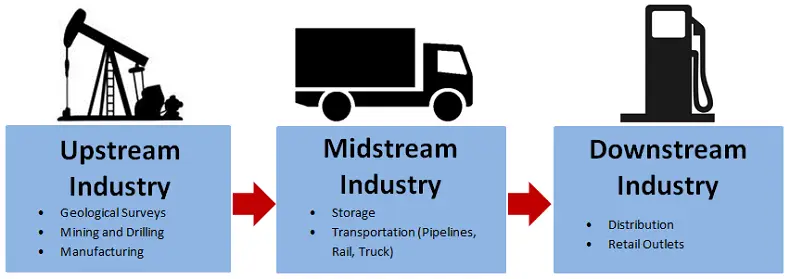
The oil and gas industry is divided into three main sectors: upstream, midstream, and downstream.
Upstream refers to the exploration and production of oil and gas, including activities such as drilling wells and extracting resources.
The midstream sector involves these products’ transportation, storage, and marketing. It includes using pipelines, tankers, and barges to move oil and gas from production sites to their destination.
The downstream sector is concerned with refining oil and gas into usable products, such as gasoline, diesel, and jet fuel. It is also responsible for marketing these products to consumers and businesses.
What are the most extensive volume products?
The most significant volume products from the oil and gas industry are crude oil, natural gas, and petroleum products such as gasoline and diesel fuel. Crude oil is the most abundant resource, accounting for more than 70% of total production, followed by natural gas and petroleum products.
What are the environmental impacts of oil and gas production?
Oil and gas production can have positive and negative environmental impacts, depending on how it is managed. On the positive side, these resources provide a reliable source of energy that is essential for modern life.
However, when not managed responsibly, the production of these resources can lead to air and water pollution, increased carbon emissions, and the destruction of natural habitats.
Major companies in the oil and gas industry are taking steps to ensure that their operations are carried out safely and responsibly. For example, they are investing in renewable energy sources and improving their operational efficiency to reduce emissions.
Ultimately, the oil and gas industry is essential to modern life and will remain a significant player in the global economy. As such, it is necessary to understand the risks associated with its production and take steps to ensure that it is carried out responsibly.
2023 oil and gas industry outlook
The outlook for the oil and gas industry in 2023 is cautiously optimistic. Demand is expected to remain strong, driven by steady global economic growth.
With new technologies and improved efficiency, many companies aim to reduce emissions from their operations and invest in renewable energy sources.

In addition, increased investment in infrastructure and exploration is expected to benefit the industry. This should improve access to resources and bolster production levels.
Overall, the oil and gas industry will remain essential in the global economy for many years. Companies must continue investing in technologies that reduce emissions and improve efficiency while providing a reliable energy source for the world.
RESEARCHING OIL AND GAS COMPANIES
Researching oil and gas companies is critical to gaining insight into the industry. Understanding a company’s financial health, business model, operational strategy, and competitive advantages can help investors make informed decisions.
When researching an oil and gas company, consider the following factors:
Financial health: Analyze the company’s balance sheet, income statement, and cash flow to understand its financial performance.
Business model: Evaluate the company’s oil and gas production, sale, and transport.
Operational strategy: Understand the company’s drilling, exploration, and production approach.
Competitive advantages: Analyze the company’s competitive advantages, such as cost structure and resource access.
Investors can understand the industry by researching oil and gas companies and evaluating potential investments. This can enable them to make more informed decisions and maximize their returns.
Our Oil and Gas Industry Introduction Training Courses
The oil and gas industry is a vast and dynamic landscape, crucial in powering the global economy. Whether you’re a recent graduate, a career changer, or a professional seeking to expand your knowledge, a solid understanding of this complex sector is essential for success. At Petroleum Training Partners, we’re committed to providing comprehensive and insightful training that demystifies the oil and gas industry, equipping you with the foundational knowledge and awareness needed to thrive.
Our Oil and Gas Industry Introduction Training Course provides a holistic overview of the industry, covering its key components, processes, and challenges. Through engaging lectures, interactive discussions, and real-world case studies, you’ll gain insights into:
- The industry’s structure: Explore the upstream, midstream, and downstream segments, understanding their unique roles and interconnectedness.
- Exploration and production: Delve into the science and technology behind discovering and extracting hydrocarbon resources.
- Refining and processing: Learn about transforming crude oil and natural gas into usable products.
- Transportation and distribution: Understand the complex logistics of delivering energy to consumers.
- Marketing and trading: Gain insights into the industry’s commercial aspects, including pricing, contracts, and risk management.
- Environmental and social responsibility: Explore the industry’s commitment to sustainable practices and its role in addressing global energy challenges.
Our experienced instructors and industry professionals, passionate about sharing their knowledge, create a stimulating learning environment that fosters curiosity and critical thinking. Whether you’re considering a career in oil and gas or simply want to enhance your understanding of this vital sector, our course provides a valuable foundation for further exploration and development.
By participating in our Oil and Gas Industry Introduction Training, you’ll gain:
- A comprehensive understanding of the industry: Grasp the key concepts, processes, and challenges that shape the oil and gas landscape.
- Industry-specific terminology: Develop fluency in the language of the industry, enabling effective communication and collaboration.
- Awareness of career opportunities: Explore the diverse range of roles and career paths available in the oil and gas sector.
- Confidence to pursue further learning: Build a solid foundation for more specialized training and professional development.
Embark on your journey into the exciting world of oil and gas with Petroleum Training Partners. Our Introduction Training Course provides the essential knowledge and insights you need to navigate this complex industry with confidence and pursue a successful career in this vital sector. Follow Petroleum Trading & Training Partners on Facebook, Instagram, and LinkedIn for the latest updates.



Leave a Reply