

Introduction:
Steel structures have become an essential part of the modern construction industry. With their strong and durable nature, they are used in many buildings, from residential homes to skyscrapers. This article will explore the various aspects of steel structures, including their history, design process, types, and uses.
A brief overview of steel structures:
Steel has been used as a building material for centuries, with its earliest recorded use dating back to the 4th century BC in ancient Greece. However, in the 19th century, steel started being used on a larger scale in construction projects. The Bessemer process, invented in 1855, allowed mass steel production, making it more accessible and affordable.
Over the years, advancements in steel production techniques have led to even more robust and more versatile types of structural steel. This has significantly contributed to the popularity of steel structures in modern construction.
Importance of steel structures in construction:
Steel structures offer numerous benefits, making them the preferred choice in construction projects. Some of these advantages include:
- Strength and durability: Steel is a highly durable material with a high strength-to-weight ratio, making it resistant to harsh weather conditions and natural disasters like earthquakes.
- Versatility in design: Steel can be easily manipulated into different shapes and sizes, allowing for unique and creative designs in building structures.
- Cost-effective: Steel structures are often more cost-effective than traditional building materials due to their efficiency in construction, lower maintenance costs, and longer lifespan.
- Sustainability: Steel is highly recyclable, making it an environmentally friendly option for construction projects.
American Steel Structures: A Brief Overview:
Advantages of using American steel in construction:
The United States is one of the top producers of steel in the world, and its steel industry is known for its high-quality products. Using American steel in construction projects offers several benefits, including:
- Reliability: American Steel undergoes strict quality control measures to meet safety and performance standards.
- Job creation: The U.S. steel industry provides employment opportunities to thousands of Americans, boosting the economy.
- Local sourcing: Using American steel supports local businesses and reduces transportation costs, making it a more sustainable choice.
Where to find American steel structures for sale:
American steel structures, including manufacturers, construction companies, and online marketplaces, are everywhere. When looking for steel structures for sale, research and compare options to find the best quality and price.

Critical features of American steel structures:
American steel structures are known for their high quality and durability. Some key features that make them stand out include:
- High-grade materials: American steel structures are made from top-quality structural steel, ensuring strength and longevity.
- Precision engineering: American manufacturers use advanced technology and techniques to produce precise and accurate steel structures.
- Customization options: With the versatility of steel, American manufacturers can offer a wide range of customization options to meet specific project needs.
Exploring Steel Structures for Sale:
Factors to consider when purchasing steel structures:
Several factors must be considered when purchasing steel structures for your construction project. These include:
- Purpose: Determine what you will use the structure for and its intended function.
- Location: Consider the location of the structure and any environmental factors that may affect it.
- Design: Think about the design requirements and how steel can be used to achieve them.
- Cost: Compare prices from different suppliers to find the best deal for your budget.
Popular types of steel structures available in the market:
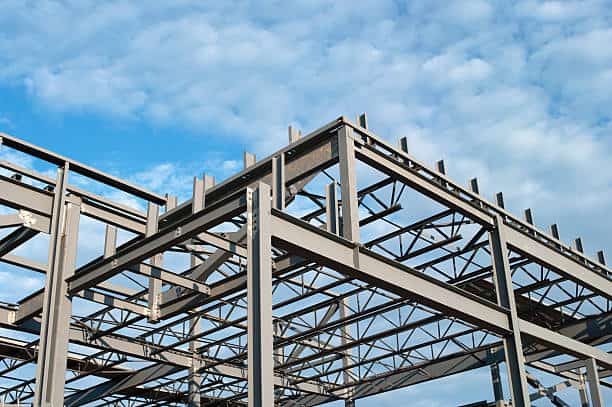
- Steel Framed Structures: These are the most commonly used steel structures and consist of a skeleton frame made from steel beams, columns, and girders.
- Tension Structures: These structures use tension in cables or ropes to support large spans without vertical support columns.
- Arched Structures: Arched steel structures are curved in shape and can span long distances without the need for support columns.
- Space Frames: These structures are made from interlocking steel sections and can create unique, visually appealing designs.
The Art of Steel Structures Design:
Designing steel structures requires technical knowledge, creativity, and precision. The process involves several stages, including:
- Conceptual Design: This is the initial stage where ideas and concepts are discussed to determine the overall vision for the structure.
- Structural Analysis: Engineers use specialized software to analyze the structural integrity and performance of different design options.
- Detailed Design: The chosen design, including all necessary calculations and drawings, is further developed and refined in this stage.
- Fabrication: Once the design is finalized, the steel components are fabricated in a factory before being transported to the construction site.
- Erection: The final stage involves assembling and connecting the steel components on-site to create the structure per the design.
Importance of effective design in steel construction:
A well-designed steel structure is essential for a successful construction project. It not only ensures the safety and stability of the structure but also plays a crucial role in its functionality and aesthetics. A practical design can also help reduce construction time and costs, making it a valuable investment for any project.
Innovations in steel structure design:
In recent years, there have been many advancements in steel structure design, making it an even more versatile and efficient construction material. Some notable innovations include:
- 3D Printing: 3D printing technology creates precise and complex steel components, reducing the need for welding and cutting.
- BIM (Building Information Modeling): BIM software allows for detailed planning and coordination of steel structures, improving efficiency and reducing errors.
- Sustainable design: Many designers incorporate sustainable features into their steel structure designs, such as solar panels and rainwater harvesting systems.
Structural Steel Types and Grades:
Structural steel is an umbrella term used for various types and grades of steel used in construction. Some common types include:
- Carbon structural steel: This type of steel has low carbon content, making it easy to weld and form. It’s commonly used for building frames and bridges.
- High-strength low-alloy (HSLA) steel: HSLA steel has high strength and improved corrosion resistance, making it suitable for harsh environments or marine structures.
- Weathering steel forms a protective layer when exposed to the elements, making it ideal for outdoor structures like bridges and sculptures.
- Fire-resistant steel: Fire-resistant steel is designed to withstand extreme heat and retain strength, making it suitable for buildings with fire protection requirements.
Choosing the right structural steel type for your project:
The choice of structural steel type largely depends on a project’s specific needs and requirements. Environmental conditions, load-bearing capacity, and cost should be considered when selecting the correct type of steel for a construction project.
Common Structural Shape:
Structural steel is available in various shapes and sizes, each with unique properties and uses. Some common structural shapes include:
- I-beam: These are made up of two horizontal flanges connected by a vertical web, providing excellent load-bearing capacity.
- Hollow Structural Section (HSS): HSS can be circular, square, or rectangular and is commonly used for columns and beams.
- Channel: This shape resembles a U, with a top flange connected to the web by two legs. Channels are often used for applications that require high resistance to twisting forces.
- Angle: Angles have an L-shape and are often used to join two materials at a 90-degree angle.
The Rise of Steel Structures Homes:
Growing trend in using steel for residential construction:
Steel structures are not just for commercial buildings anymore. In recent years, there has been a growing trend in using steel for residential construction, particularly in the form of steel structure homes. These homes offer several benefits, including:
- Durability: Steel is a strong and long-lasting material, making it ideal for building sturdy homes that withstand extreme weather conditions.
- Design flexibility: Steel structures allow various design options, making creating unique and modern homes possible.
- Cost-effective: While initial costs may be higher than traditional construction materials, steel structures homes can save money in the long run due to their low maintenance and energy-efficient properties.
- Sustainable: Steel is a highly recyclable material, making it an environmentally friendly choice for construction.
Benefits of steel structures for homes:
Steel structures offer several benefits for residential construction, making them a popular choice for homeowners. Some of these benefits include:
- Faster construction: Steel components are pre-fabricated and can be assembled quickly on-site, reducing construction time.
- Customization: With steel structures, homeowners can customize their homes according to their preferences and needs.
- Improved strength and safety: Steel is a strong and durable material, making it an excellent choice for homes in areas prone to natural disasters such as earthquakes or hurricanes.
- Longevity: Steel structures are designed to last for decades, requiring minimal maintenance over their lifespan.
Sustainability in Steel Construction:
Sustainability has become a significant consideration in the construction industry, and steel structures play a crucial role in achieving sustainable building practices. Here are some ways that steel construction helps promote sustainability:
- Reduced energy consumption: Steel structures are highly energy-efficient due to their insulation properties, reducing energy consumption and costs.
- Recyclability: As mentioned earlier, steel is one of the most recyclable materials, making it a sustainable choice for construction.
- Reduced waste: The pre-fabricated nature of steel components results in less material waste during construction.
Environmental impact of steel structures:
Steel is one of the most sustainable construction materials available, with a high recycling rate and low carbon footprint compared to other building materials. However, concerns about its environmental impact remain, particularly regarding energy consumption during manufacturing.
Challenges in Steel Construction:
Common challenges faced in working with steel structures:
While steel structures offer several advantages, they also come with their own set of challenges. Some common challenges faced in working with steel structures include:
- Specialized labor and equipment: Specialized construction teams are required to work with steel structures, increasing labor costs.
- Weather-dependent installation: Steel components must be installed in dry weather conditions, which can cause construction delays.
- Transportation and storage requirements: Steel components are often large and heavy, requiring on-site specialized transportation and storage facilities.
- Corrosion prevention: Steel structures must be regularly inspected and maintained to prevent corrosion, adding to maintenance costs.
Solutions and advancements in overcoming these challenges:
Technological advancements and construction methods have been made to address these challenges and make working with steel structures more efficient and cost-effective. These include using computer-aided design (CAD) software for precision planning and the development of corrosion-resistant coatings to reduce maintenance requirements. Modular construction techniques have also been developed, allowing quicker assembly and reducing labor costs.
Future Trends in Steel Construction:
Emerging technologies and trends in the steel construction industry:
The steel construction industry continuously evolves, and new technologies and trends are emerging to meet the growing demand for sustainable and efficient construction methods. Some of these include:
- 3D printing: 3D printing technology creates complex steel structures, reducing waste and labor costs.
- Integration of renewable energy sources: Steel structures are designed to incorporate renewable energy sources such as solar panels, further promoting sustainability.
- Use of high-strength steel: Advances in steel manufacturing have led to the development of high-strength steel, allowing for lighter and more efficient structures.
Predictions for the future of steel structures:
With the increasing focus on sustainability and efficiency in construction, steel structures are expected to remain a popular choice for commercial and residential projects. Emerging technologies such as 3D printing and high-strength steel will likely become even more prevalent, leading to faster construction times and further cost savings. Additionally, integrating renewable energy sources into steel structures will continue to drive the industry toward a more sustainable future.
Maintaining Steel Structures: Tips and Best Practices
Routine maintenance for longevity:
Steel structures are designed to last decades, but routine maintenance is essential to ensure longevity. Some best practices for maintaining steel structures include:
- Regular inspections: Regularly inspecting the structure for signs of corrosion or damage can help identify issues before they become more significant problems.
- Cleaning and repainting: If any areas of the structure show signs of rust or wear, they should be cleaned and repainted to prevent further corrosion.
- Replacing damaged components: If any steel components are severely damaged, they should be returned promptly to maintain the structural integrity of the building.
Tips for addressing common issues in steel structures:
Here are some tips for handling common issues that may arise in steel structures:
- Rust and corrosion: Applying a rust inhibitor or primer and repainting can help prevent and address rust and corrosion.
- Cracks or deformations: If any cracks or deformations are found in the structure, they should be repaired by a professional to prevent further damage.
- Leaks or water damage: If there are any leaks or signs of water damage in the structure, it is crucial to identify and address the source of the issue to prevent further damage.
Safety Measures in Steel Construction:
Importance of safety protocols in working with steel:
Safety should be a top priority when working with steel structures. With heavy equipment and specialized labor, several safety protocols must be followed to ensure a safe construction process.
Best practices to ensure a safe working environment:
Here are some best practices to ensure a safe working environment when working with steel structures:
- Training and certification: All workers involved in the construction process should receive proper training and obtain the necessary certifications to handle steel components safely.
- Proper use of personal protective equipment (PPE): Workers should be equipped with appropriate PPE, such as helmets, gloves, and safety harnesses, to protect themselves from potential hazards.
- Regular safety inspections: Inspecting the construction site for potential safety hazards can help prevent accidents and injuries.
Advantages and Disadvantages of Structural Steels:
Advantages of Structural Steels:
- Strength and durability: Structural steels are known for their high strength and durability, making them suitable for various construction projects.
- Design flexibility: Structural steel’s versatility allows for creating unique and complex structures that may not be possible with other building materials.
- Cost-effective: Steel structures can be assembled quickly, reducing labor costs. Using high-strength steel also reduces the material needed, further lowering construction costs.
Disadvantages of Structural Steels:
- Corrosion risk: As mentioned earlier, corrosion is a significant concern with steel structures and requires regular maintenance to prevent.
- Environmental impact: The production of structural steel can have a considerable environmental impact, as it requires significant amounts of energy and emits carbon dioxide.
Structural Steels Applications:
Commercial Buildings:
Structural steels are commonly used in the construction of commercial buildings due to their strength, durability, and design flexibility. Structural steel offers a cost-effective solution for large-scale projects, from skyscrapers to shopping malls.
Residential Homes:
While traditionally associated with industrial and commercial projects, structural steel is also gaining popularity in residential construction. Steel structures offer a modern and sleek design, potentially faster construction times, and cost savings.
How do you choose your manufacturer?
Choosing the proper manufacturer for your steel structures is crucial to ensure quality and safety. Here are some factors to consider when selecting a manufacturer:
- Experience and expertise: Look for a manufacturer with extensive experience producing high-quality steel structures and a thorough understanding of industry standards.
- Technology and equipment: A reputable manufacturer should have modern technology and advanced equipment to produce high-quality structures efficiently.
- Certifications and compliance: Ensure the manufacturer has the necessary certifications and adheres to industry safety and quality control standards.
About Petroleum Training Partners:
Petroleum Training Partners is a distinguished institution dedicated to imparting knowledge in the oil and gas domain, offering a diverse array of specialized courses. As a premier training organization, Petroleum Training Partners has solidified its reputation as an obvious entity providing comprehensive oil and gas courses, consultancy services, and seminars.
Operating across diverse continents such as Europe, Africa, and North America, with a particular emphasis on the Middle East, Petroleum Training Partners has emerged as a beacon of expertise in the energy sector.
At the heart of Petroleum Training Partners lies an unwavering commitment to delivering top-tier oil and gas courses. From carefully crafted project management courses to insightful IT and computer science courses, the organization remains firm in ensuring that individuals and businesses are equipped with the knowledge and skills essential for navigating the dynamic landscape of petroleum.
Additionally, the curriculum includes specialized courses in human resources and healthcare management, reflecting the organization’s dedication to addressing the multifaceted needs of the industry.
The expertise offered by Petroleum Training Partners extends across geographical boundaries, catering to the unique demands of professionals and enterprises in Europe, Africa, and North America, emphasising industry-relevant courses. Central to Petroleum Training Partners’ strategic focus is the Middle East, where the demand for specialized oil and gas training is particularly pronounced.
The organization takes immense pride in its pivotal role in shaping the expertise of industry professionals in the Middle East through tailored courses designed to address the challenges and opportunities presented by the dynamic Middle Eastern petroleum landscape.
Petroleum Training Partners is not merely a training provider but a cultivator of a community of learners and experts contributing to the ongoing evolution of the oil and gas sector. The seminars hosted by the organization serve as forums where industry leaders converge to share insights and pave the way for innovation.
Through these collaborative efforts, Petroleum Training Partners emerges as a training provider and a catalyst for progress in the global petroleum domain.
The commitment to excellence is deeply ingrained in Petroleum Training Partners’ nature, reflected in its tailored approach to consultancy. The organization collaborates closely with clients, comprehensively understanding their unique needs and challenges.
This collaborative approach results in solutions that go beyond the conventional, covering aspects such as operational efficiency, compliance with industry standards, and navigating the complexities of the oil and gas market in the Middle East, all addressed through specialized courses.
In a landscape where the energy sector is characterized by constant evolution, Petroleum Training Partners stands as a steadfast guide, providing the knowledge and expertise necessary to thrive. With a global footprint and a focused approach to the Middle East, the organization continues to shape the future of the oil and gas industry through its emphasis on specialized training sessions in project management, IT and computer science, human resources, and healthcare management.
Petroleum Training Partners is not merely a training provider but a visionary leader, propelling individuals and organizations toward excellence in the dynamic and vital field of petroleum.
Conclusion:
Choosing steel structures for your construction project offers numerous benefits, including strength, durability, and design flexibility. However, proper maintenance and adherence to safety protocols are crucial for their longevity and the safety of workers during construction. When selecting a manufacturer, consider their experience, technology, and adherence to industry standards.
With proper care and attention, steel structures can provide a lasting and sustainable solution for various construction needs. So, if you are in the market for steel structures, consider all the advantages and disadvantages before making your final decision. With the right manufacturer and proper maintenance, steel structures can provide a safe, cost-effective, and durable solution for your building needs.

Remember these tips when working with steel structures to ensure a successful and safe construction process. Remember to prioritize safety and maintenance to ensure the longevity and structural integrity of your steel building. With proper care, steel structures can withstand the test of time and offer a sustainable solution for big and small construction projects. So, consider all the options available regarding steel structures and decide on your project’s needs. Thank you for reading, and happy building!
Frequently Asked Questions:
Are steel structures more expensive than traditional construction methods?
While the initial cost may be higher, the long-term benefits in terms of durability and maintenance often outweigh the upfront expenses.
How can I ensure the sustainability of a steel structure?
Opt for recycled steel, choose designs that minimize waste, and adhere to green building certifications.
What maintenance is required for a steel home?
Regular inspections for corrosion, application of protective coatings, and addressing welding issues are key to maintaining a steel home.
Can steel structures be customized to unique designs?
Yes, modern steel construction allows for high levels of customization to meet unique architectural requirements.
What safety measures should be prioritized in steel construction?
Personal protective equipment, comprehensive training, fall protection, and emergency response planning are essential safety measures.
2 responses to “Steel Structures Unveiled: Best Guide For Types and Advantages 2024”
-
Definitely believe that which you stated. Your favgorite reason seemed to be on the internet the simplest thinng to be
aware of. I say to you, I certainly get annoyed while people think
about worries that they plainly do not know about.You managed to hit the nail upon the ttop and also defined out the whole thingg without having side-effects , people could take a signal.
Will probably be back to get more. Thanks https://www.Waste-ndc.pro/community/profile/tressa79906983/ -
Great insights on the importance of steel structures in modern construction! The detailed exploration of their benefits and challenges provides a comprehensive understanding of why they are becoming increasingly popular. As someone passionate about steel construction, I appreciate the focus on sustainability and innovative design trends.


Leave a Reply