

The 21st century brought a new wave in the oil and gas industry. Companies must stay updated with best practices to ensure success in the ever-changing landscape.
Best practices are often defined as a set of established processes and procedures that optimize a company’s performance while minimizing risks and costs associated with operations.
When it comes to the oil and gas industry, companies must implement best practices to optimize their operations. Companies must focus on safety, efficiency, cost control, and environmental stewardship to do this.
Safety should be one of the top priorities for any oil and gas company. Companies should ensure that safety procedures are in place and that employees are appropriately trained to operate safely.
This includes providing appropriate protective gear, training on hazard avoidance, periodic risk assessment of operations, and strict adherence to all regulatory requirements.
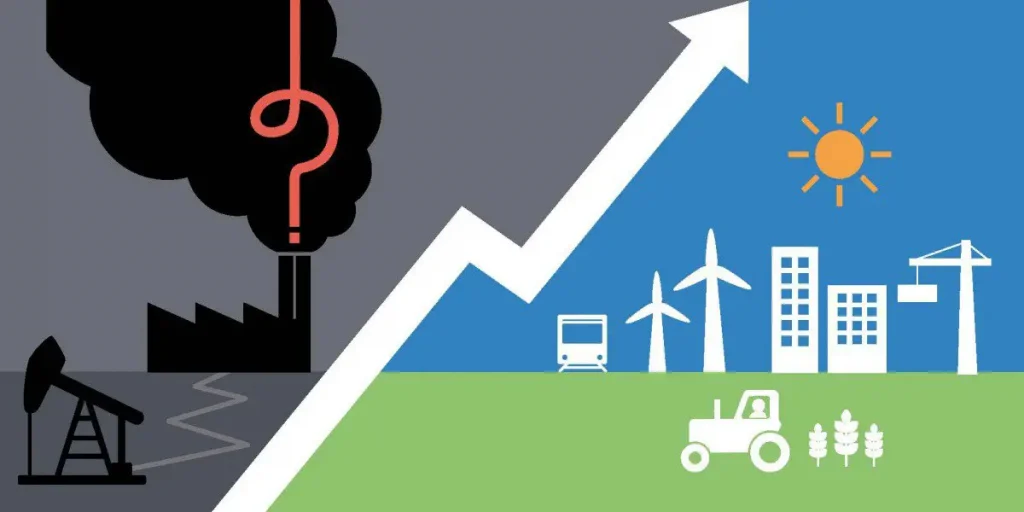
The efficiency of any operation is also essential for oil and gas best practices. Companies should look for ways to optimize processes to reduce costs.
This can include investing in technology, such as drones and analytics software, that can help companies better understand their processes and identify areas of improvement.
Cost control is also an essential factor in oil and gas best practices. Companies should be looking for ways to streamline operations to save money. This can include investing in new technology, consolidating operations, and utilizing data to understand operational costs better.
Finally, companies should also strive for environmental stewardship regarding oil & gas best practices. Companies should look for ways to reduce their ecological impact by reducing emissions, minimizing waste, and using renewable energy sources.
This is not only important for the environment, but it can also help to reduce operational costs.
Overall, oil and gas best practices in the 21st century are essential for any company looking to be successful. By focusing on safety, efficiency, cost control, and environmental stewardship, companies can ensure that their operations are running optimally while minimizing risks and costs associated with operations.
This can ensure that companies remain competitive while also doing their part to protect the environment.

History of the Industry
The history of the oil and gas industry is a long one. Oil and gas have been used for centuries, but it wasn’t until the Industrial Revolution that their use as an energy source began to take off.
By the late 19th century, petroleum was being systematically drilled from underground reservoirs in the United States, leading to the rise of large-scale oil and gas production. By the 1920s, pipelines were being built to transport these resources from their sources to refineries for processing.
Since then, technological advances have enabled companies to explore new sources of oil and gas and extract them from unconventional sources such as shale rock formations.
With the development of more efficient extraction methods, companies can now produce oil and gas with fewer environmental impacts than ever before.
Today, the industry continues to evolve rapidly as technologies such as 3D seismic imaging, horizontal drilling techniques, and hydraulic fracturing (fracking) have enabled companies to extract oil and gas from previously inaccessible sources.
At the same time, sustainability has become increasingly important as companies seek to reduce their environmental impact and meet the growing global demand for energy.
Overall, oil and gas best practices are essential for any company looking to remain competitive in this ever-changing industry.
By implementing safety protocols, investing in efficiency-boosting technology, controlling costs, and striving for environmental stewardship, companies can ensure that their operations run optimally while minimizing risks and costs associated with operations.
This can ensure that companies remain competitive while also doing their part to protect the environment.
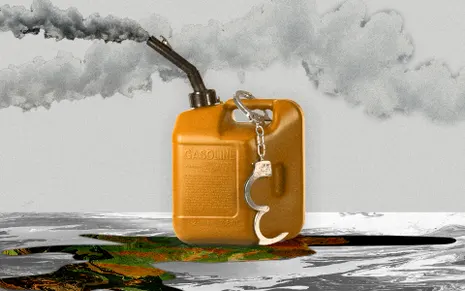
The future of oil and gas best practices is bright. As technology evolves and renewable energy sources become more viable, oil and gas companies must stay ahead of the curve and strive for sustainability.
By implementing the latest best practices, companies can ensure that their operations are running optimally while minimizing risks and costs associated with operations. This will ensure that companies remain competitive while also doing their part to protect the environment.
Oil and Gas Companies
Oil and gas companies have always been at the forefront of innovation regarding safety, efficiency, cost control, and environmental stewardship.
For example, many companies have invested heavily in technologies such as 3D seismic imaging, horizontal drilling techniques, and hydraulic fracturing (fracking) to better access and extract oil and gas from previously inaccessible sources.
At the same time, many companies have put in place safety protocols to ensure that their operations are conducted safely and responsibly.
These protocols can include regular maintenance checks, the use of protective gear, and requiring employees to adhere to safety standards. This helps to ensure that workers are safe, reducing the risk of accidents and injuries on the job.
Fuel Your Organization’s Success: Unlock Potential with Customized Training, In-House Training, and Consulting Services by Petroleum Trading & Training Partners
In the fast-paced and ever-evolving energy sector, staying ahead of the curve demands a proactive and tailored approach to professional development. At Petroleum Trading & Training Partners, one size doesn’t fit all regarding organizational learning and growth. That’s why we offer a comprehensive suite of customized training, in-house training, and consulting services designed to meet your specific needs, objectives, and challenges.
Customized Training: We understand that each company has unique goals and requirements. Our team of expert instructors works closely with you to develop bespoke training programs that align with your strategic priorities. Whether you need to enhance technical competencies, improve operational efficiency, or foster a culture of innovation, our customized training solutions provide targeted, relevant, and impactful learning experiences.
In-House Training: Our in-house training programs bring the power of learning directly to your workplace. They offer the convenience and flexibility of delivering instruction at your location, minimizing disruption and maximizing participation. With the ability to tailor content and schedules to your needs, in-house training fosters a collaborative learning environment and promotes team building.
Consulting Services: Leverage the expertise of our industry veterans to address your most pressing challenges. Our consulting services provide strategic guidance, performance improvement solutions, and expert insights to optimize operations, enhance decision-making, and drive sustainable growth.
By partnering with Petroleum Trading & Training Partners, you gain access to:
- Industry-leading expertise: Our instructors and consultants have extensive experience and deep energy sector knowledge.
- Proven methodologies: We employ cutting-edge instructional techniques and proven consulting frameworks to deliver measurable results.
- Flexible solutions: Our services are tailored to your needs, ensuring maximum value and relevance.
- Ongoing support: We provide continuous guidance and support to ensure your success long after the training or consulting engagement concludes.
Invest in your organization’s future. Contact Petroleum Trading & Training Partners today to discuss how our customized training, in-house training, and consulting services can empower your team, optimize your operations, and unlock your full potential.
4 responses to “Oil and Gas Best Practices in The 21st Century”
-
Great insights on the evolving practices in the oil and gas sector! It’s crucial for companies to adapt to new technologies and methods to stay competitive. Looking forward to more discussions on this topic!
-
Great insights on best practices! It’s crucial for the oil and gas sector to adapt and innovate continuously. I particularly appreciated the focus on sustainability.
-
Great insights! It’s crucial for the oil and gas industry to adapt to modern practices, especially with sustainability in mind. Companies that embrace technology and innovative methods will definitely lead the way in the 21st century!
-
Great article! I found the insights on modern drilling techniques particularly fascinating. It’s crucial for companies to adapt to new technologies to remain competitive in the oil and gas industry.




Leave a Reply